arrow-down arrow-left arrow-nav arrow-right arrow-up close db-alumni db-current db-faculty db-fmaily db-future db-online download facebook gallery help linked-in maximize menu minimize pause play print search share twitter youtube zinfolio

Life University D.C. Program’s Revolutionary Technology Series: NeuroLIFE Institute Offers Students Technology Experience Like No Other

Students entering the Doctor of Chiropractic program at Life University (Life U) have the opportunity to learn in an environment that embraces innovation, technology and a whole-person approach to health. One of the most exciting examples is the work being done through the NeuroLIFE Institute (NLI) , where cutting-edge neurotechnology is used to assess and address neurological function while helping individuals pursue better health outcomes.

According to the NLI, its approach is centered on using advanced neurotechnology to identify and target neurological pathways impacted by neurodegenerative diseases. The institute focuses on developing innovative therapies and care plans designed to help improve quality of life while continually researching new approaches to care.

For Life U D.C. students, this commitment to innovation demonstrates how modern chiropractic education extends beyond traditional classroom learning. Exposure to advanced assessment and therapeutic technologies helps students understand the important role the nervous system plays in overall health and human performance.

Challenging the “New Normal”

A defining philosophy of the NLI is its refusal to accept a patient’s limitations as permanent. The institute states that many individuals with complex conditions are told they have reached the best outcome possible. Its team believes the brain and body have remarkable potential for adaptation and healing and seeks to help patients tap into that capacity.

This perspective aligns with Life U’s commitment to helping people achieve their fullest health potential through a patient-centered approach that focuses on function, adaptability and quality of life.

Technology-Driven Assessment and Care

What makes the NLI particularly noteworthy is its use of advanced technologies to evaluate and support nervous system function. The institute utilizes Brain Mapping, NeuroSensory Integrator (NSI), Videonystagmography (VNG) and other assessment tools to create a comprehensive picture of a patient’s health and neurological status. Personalized care programs may incorporate technologies and therapies such as Gyrostim, neurofeedback and extensive visual therapies.

The Institute describes this approach as combining the newest innovations in healthcare with a unique method of assessing and treating the nervous system to help individuals who have not responded to other methods of care.

Among the technologies highlighted by the institute is the Gyrostim, an off-axis rotational device used to activate specific areas of the nervous system. According to the institute, the technology has been used in cases ranging from athletic performance enhancement to helping individuals with severe neurological disorders improve function and quality of life. The therapy utilizes principles of neuroplasticity to support lasting changes in nervous system function.

Supporting Human Performance

NLI’s innovative work is not limited to individuals facing neurological challenges. it also provides elite athletic care and sports optimization programs that incorporate the latest technology and neuroscientific findings. The goal is to help athletes train smarter, improve performance and reach their highest potential. The Institute serves as the official provider for the United States Bobsled and Skeleton Federation.

Preparing Future Chiropractors

As healthcare continues to evolve, future chiropractors must be prepared to understand and work with emerging technologies that support patient assessment and care. Through resources such as the NLI, Life U demonstrates how innovation, neuroscience and chiropractic education can come together to create meaningful learning opportunities for students.

For D.C. students, exposure to revolutionary technologies and advanced neurological approaches provides a glimpse into the future of healthcare while reinforcing the University’s commitment to helping people live healthier, fuller lives.

For more information regarding the NLI, click here.
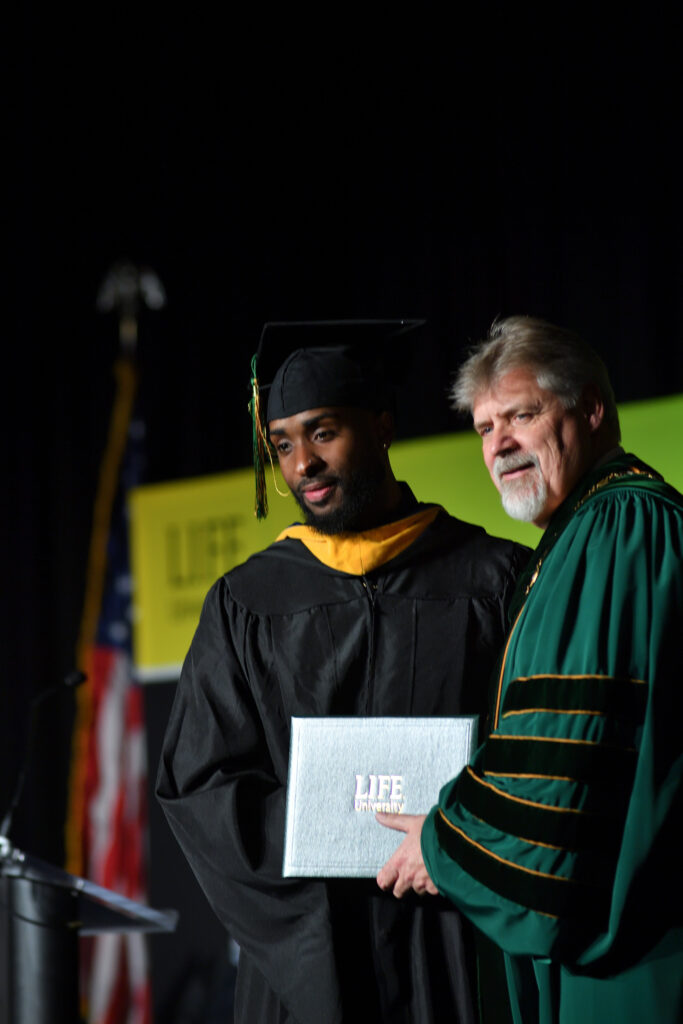
Life University (Life U) MPSY Students Gather for Transformative Residency Experience

Learning, Connection and Positive Change Take Center Stage

On November 6-7, 2026, students in Life University’s (Life U’s) Master of Science in Positive Psychology (MPSY) program will come together for Residency, an immersive experience designed to deepen learning, strengthen relationships and translate positive psychology principles into real-world impact.

Because the M.S. in Positive Psychology (MPSY) program is built around applied learning, connection and personal transformation, Residency serves as more than an academic requirement. It gives students the opportunity to bring positive psychology to life through meaningful discussions, hands-on experiences and face-to-face collaboration with faculty and fellow students.

“Each MPSY Residency is an awesome opportunity to connect with peers and experts in positive and coaching psychology – sharing ideas, exploring the science and practice of applied psychology, building relationships and learning from one another.”, shared, Dr. Mickey Parsons, MCC, Life U Associate Professor & Director of Coaching Education. “Beyond the classroom, these experiences help create a professional community of thoughtful, evidence-based practitioners who are making a difference in the lives of others.”

While much of the MPSY program offers the flexibility of online learning, including this Residency, the annual in-person Residency is held on campus each spring. These Residencies provide a unique opportunity for students to engage directly with faculty, peers and thought leaders while experiencing the Life U culture firsthand.

These gatherings reflect one of the program’s defining characteristics: the belief that flourishing is not merely something to study, but something to actively experience and cultivate.

This residency will give students the online opportunity to spend two quality days with professors, fellow students and guest speakers, where they can engage and create connection opportunities.

A Program Focused on Human Potential

Life U’s MPSY program prepares students to understand, apply and promote the science of human flourishing. Rooted in evidence-based research, the program explores what helps individuals, organizations and communities thrive.

Students examine topics such as:

  • Positive emotions and well-being
  • Resilience and post-traumatic growth
  • Strengths-based development
  • Positive leadership
  • Coaching and human performance
  • Meaning, purpose and engagement
  • Organizational well-being
  • Mindfulness and flourishing

Rather than focusing exclusively on what is wrong with people, positive psychology seeks to understand what is right with people and how those strengths can be developed to create healthier, more fulfilling lives.

Bringing Learning to Life

Residency offers students an opportunity to experience these concepts beyond textbooks and virtual classrooms.

Throughout the two-day event, students will engage in interactive learning experiences, collaborative discussions and activities designed to foster personal and professional growth. The experience reinforces the program’s emphasis on practical application, helping students connect theory with meaningful action.

For many students, Residency is also a chance to build lasting relationships with classmates from across the country and around the world. These connections often become valuable professional networks that extend long after graduation.

More Than a Degree

Graduates of the MPSY program pursue a variety of professional paths, applying positive psychology principles in areas such as:

  • Leadership development
  • Executive and life coaching
  • Education
  • Human resources
  • Organizational development
  • Healthcare and wellness
  • Nonprofit leadership
  • Community engagement

The program also serves professionals seeking to enhance their existing careers by incorporating evidence-based well-being practices into their work.

As organizations increasingly recognize the importance of employee well-being, resilience, engagement and purpose-driven leadership, positive psychology continues to grow as an influential field across industries.

Creating a Ripple Effect

One of the program’s strongest themes is the understanding that positive change begins with individuals but extends outward to families, workplaces and communities.

Students learn how to help others identify strengths, build resilience, create meaningful goals and foster environments where people can thrive. The impact often reaches far beyond a single coaching session, classroom or workplace initiative.

Residency serves as a powerful reminder of that mission by bringing together people who share a commitment to improving lives and creating positive change in the world.

Looking Ahead

As the field of positive psychology continues to evolve, Life U’s MPSY program remains focused on preparing graduates to lead with purpose, promote well-being and contribute to healthier individuals and communities.

The November 6-7 Residency represents another meaningful milestone in that journey, providing students with opportunities to learn, connect and grow while reinforcing the program’s commitment to helping people and organizations flourish.

Chiropractic Founders Day: Honoring Our Roots While Celebrating the Future at LIFE University

Today, as the chiropractic profession celebrates Chiropractic Founders Day, the Life University community has even more reason to reflect, connect and celebrate. This year, Chiropractic Founders Day coincides with the second day of Life U’s annual Life Vision Extravaganza (LVE), bringing together students, alumni, faculty, staff and chiropractic leaders in a shared commitment to advancing the principles and purpose that have defined the profession for more than a century.

Celebrating the Birth of Chiropractic

Chiropractic Founders Day commemorates September 18, 1895, the day D.D. Palmer performed the first chiropractic adjustment on Harvey Lillard in Davenport, Iowa. That historic event marked the beginning of a profession built on the understanding that the body possesses an innate ability to heal and function optimally when the nervous system is free from interference.

The annual observance also recognizes the contributions of B.J. Palmer, often known as the “Developer of Chiropractic,” whose leadership helped expand and strengthen the profession, ensuring that the principles discovered by his father would reach future generations of chiropractors worldwide.

For Life U students and graduates, Chiropractic Founders Day is more than a historical milestone. It is a reminder of the vision, courage and dedication that shaped an entire healthcare profession and continues to inspire the work of chiropractors around the globe.

Life University’s Deep Connection to Chiropractic History

Few institutions are as closely connected to chiropractic’s foundational principles as Life U. Life U’s story begins with founder Dr. Sid E. Williams, a graduate of Palmer School of Chiropractic, who was deeply inspired by the teachings and principles established by chiropractic’s founders.

While studying at Palmer, Dr. Sid envisioned creating a chiropractic institution that would carry forward the profession’s vitalistic philosophy and prepare future chiropractors to serve their communities with purpose and conviction. That vision became reality when Life Chiropractic College, which would later become Life University, opened its doors for its first classes in January 1975.

The roots of Life U are intertwined with the chiropractic movement itself. Before establishing the college, Dr. Sid founded Dynamic Essentials (D.E.) seminars in 1964 to strengthen the profession and encourage chiropractors to practice according to the principles championed by chiropractic pioneers. He later established the Life Foundation to support education, research and the development of a chiropractic college in Georgia.

Over the decades, Life U has educated thousands of graduates who now serve patients and communities across the United States and around the globe. The institution’s commitment to Vitalism, excellence and service continues to reflect the principles that began with chiropractic’s founders and were embraced by Dr. Sid and the generations of leaders who followed him.

A Special Moment During Life Vision Extravaganza

This year’s Chiropractic Founders Day holds special significance as it falls during the second day of Life Vision Extravaganza (LVE), one of Life University’s signature events dedicated to inspiration, leadership, professional growth and the future of Chiropractic. LVE serves as a gathering place where the profession’s history meets its future, creating opportunities for learning, connection and renewed purpose.

As attendees engage with speakers, educational sessions and fellow members of the chiropractic community, the timing offers a powerful reminder that today’s students and practitioners are part of a legacy that stretches back to that first adjustment in 1895. The founders of Chiropractic envisioned a profession dedicated to helping individuals express their greatest health potential. Life Vision Extravaganza challenges today’s chiropractors and chiropractic students to carry that vision forward.

Looking Ahead

Chiropractic Founders Day is an opportunity to honor the pioneers who dared to challenge conventional thinking and create a new path for health care. It is also a chance to celebrate the institutions and leaders who have preserved and advanced that vision.

At Life U, that legacy is visible every day through the students preparing to enter the profession, the faculty committed to chiropractic education and research, the alumni serving communities worldwide and the enduring philosophy of Lasting Purpose.

As the Life U community gathers on the second day of Life Vision Extravaganza, we celebrate not only where chiropractic began, but where it is headed. Inspired by the vision of D.D. Palmer, B.J. Palmer and Dr. Sid E. Williams, we recommit ourselves to advancing a profession that continues to change lives and empower human potential.

Happy Chiropractic Founders Day from Life University!


What Atlanta News First Taught Us About the Reality of Modern Journalism

What does it really take to report the news today – clearly, accurately and responsibly – in a world that never stops moving?

That was the central question explored when journalists from Atlanta News First visited Life University (Life U) College of Graduate and Undergraduate Studies for a candid, thought-provoking conversation with students and faculty about the realities of modern journalism. The visit offered an inside look at what it means to work in media right now – both the challenges and the opportunities shaping the industry.

Throughout the discussion, the journalists shared real-world experiences from the field, including what it’s like to cover complex and emotionally charged stories while remaining professional and objective. They spoke openly about the human side of journalism – the fact that reporters are impacted by the stories they tell – but emphasized the responsibility that comes with the role.

“Journalism requires a unique balance of emotional awareness and professional discipline,” one journalist shared. “While we are human and impacted by the stories we cover, our responsibility is to present accurate information clearly and without bias.”

That balance sparked meaningful conversation around ethics, accountability and trust – values that remain critical as the media landscape continues to evolve. The journalists also reflected on how life experiences, such as becoming a parent, can shape perspective while underscoring the importance of separating personal emotion from professional reporting.

Beyond ethics and storytelling, the session explored how technology is transforming how people consume news. With audiences increasingly turning to platforms such as YouTube, Roku and Amazon Fire TV, streaming has become an essential channel for reaching viewers. At the same time, the journalists stressed that while formats may change, the core principles of journalism remain the same.

“There will always be a place for trusted, traditional broadcast journalism,” the speakers noted, even as news organizations adapt to new platforms and viewing habits.

For Life U students, the visit was more than a lecture; it was a chance to connect directly with professionals working in the field to better understand what a career in modern media truly looks like. Conversations like these help demystify the industry while reinforcing the importance of integrity, adaptability and purpose-driven work.

Events like this reflect Life U’s ongoing commitment to providing real-world learning experiences that extend far beyond the classroom. By bringing industry voices to campus, students gain insight, inspiration and a clearer picture of the paths ahead.

As journalism continues to change, one message rang loud and clear: while the platforms may evolve, the responsibility to inform the public with truth, clarity and fairness remains more important than ever.

To learn more about our undergraduate programs, click College of Undergraduate Studies today.

McAulay Minute- Variety with Clubs and L.I.F.E. Club Day (Podcast)

Now that the quarter is well underway, our new students have gotten a sense of the pace of our academic calendar. As our returning students know, the pace is fast and most of your time is spent in class. That’s why I hope you’re making time to discover all the student clubs and organizations that can enrich your experience and expand your horizons before and after graduation.

If you’d love to sing, there’s the Voices of Life gospel choir. If you like to connect with students across campus, there’s the Campus Activities Board. If you’d like to get an insider view of chiropractic, there are clubs for just about every kind of technique. If you’re an exceptionally committed student, you may want to apply to serve as Student Ambassador or Student LIFEforce member. There are also activities like murder mystery dinners and game nights and if you like to de-stress through physical activities, there are classes in the Fitness Center, as well as our new pickleball courts

There are also multiple avenues to making your studies more robust through Academic Learning Center programs and services.

In other words, Life U is what you make it…and we’re here to help. Visit the Student Advocacy Desk near the Library soon and discover your path to a better Life.

Martin Luther King Jr.’s Legacy and Influence Over Diversity in Higher Education

The improving and growing legacy of diversity and inclusion efforts on college campuses is forever intertwined with the legacy of Martin Luther King Jr. On January 20 every year, we honor all the countless ways that the tireless efforts of this civil rights hero and his compatriots inspire us to accept and embrace our fellow man with kindness and intention. Let’s remember some of the examples in which the torch has been picked up across centers of higher learning to help inform our own efforts here at Life U.

  • Establishing Martin Luther King Jr. (MLK) Day as a Day of Service

In April 1994, The United States Senate voted on The King Holiday and Service Act of 1993 in order to designate MLK Day as the first and only National Day of Service. The adopted tagline of the day is that it is “a day on, not a day off” that encourages people to find meaningful ways to serve and connect with their communities. Many colleges and collegiate groups take up the charge each year, along with many community leaders across Georgia and the nation. Though Life University (Life U) does not currently have an MLK-based service day, we do have regular community service events and projects on campus, such as our monthly “Life U CAREs presents MUST Ministries Mobile Food Pantry.” Here are some opportunities through Hands On Atlanta for ideas to serve during MLK week.

  • Black Lives Matter (BLM) and Modern Student Activism

In the wake of shocking cases of police brutality and inequality of the justice system, the Black Lives Matter movement has been a natural outpouring in response that mirrors rallies and non-violent protests of MLK’s time, exhibiting many young adults’ steadfast commitment to standing for equal rights. We have seen earlier instances of rallying around MLK’s teachings in historical times of strife, such as the outcry against Apartheid in the 1980s.

  • Desegregation of Universities

 On a fundamental level, we cannot forget the basic fact that without the efforts of MLK and other dedicated civil rights leaders and supporters, colleges could still be legally segregated and insular. Luckily now our efforts can be directed toward a fuller picture of Diversity, Equity and Inclusion.

  • Diversity, Equity and Inclusion (DEI) Initiatives on Campuses

Thanks to MLK’s influence, many colleges have designated Diversity, Equity and Inclusion departments to ensure that campuses are welcoming and accessible to people from all walks of life and cultures. Life U’s Office of Diversity, Equity and Inclusion (ODEI) curates events, programs and services aimed at fostering an equitable and inclusive environment where all members of the community can thrive. Some examples of that commitment include supporting student clubs with a focus on cultural bolstering, such as the Hispanic Chiropractic Club and the Student American Black Chiropractic Association (SABCA), as well as our annual Juneteenth Celebration.

  • Special Events of Remembrance

Countless events of remembrance are held nationwide in recognition of the life and influence of Dr. King. Due to weather, the 2025 MLK day reception was rescheduled at Life U for January 28, 11 a.m. in the Presidential Dining Room of the CGUS building. Join the Life University community for an inspirational celebration honoring the legacy of Dr. Martin Luther King Jr. and the remarkable contributions of our Diversity Champions.

This special event, hosted by the Office of Diversity, Equity and Inclusion, is a time to reflect, recognize and commit to the ideals of justice, equity and inclusion that Dr. King so powerfully embodied.

Event Highlights:

  • Keynote Speaker: Dr. Maurice Hobson, renowned Professor of Africana Studies and Historian at Georgia State University. Dr. Hobson is the author of the award-winning book The Legend of the Black Mecca: Politics and Class in the Making of Modern Atlanta. He also served as the chief historian for the documentary “Maynard” about Maynard Jackson, Atlanta’s first Black mayor, and as the consulting historian for “Hip Hop Evolution: Atlanta.”
  • Diversity Champion Award Recipient: We honor Dr. Sherterica Hall, Assistant Professor of Chiropractic Science, for her outstanding dedication to fostering inclusivity and promoting equity on our campus.

These examples are only a few ways in which we can see MLK’s dream alive and well. We continue to strive to make the dream a reality as we press into 2025. Happy MLK Day!

What Does it Mean to Graduate?

Graduation definition according to the Merriam Webster Dictionary.

graduation

noun

grad·​u·​a·​tion ˌgra-jə-ˈwā-shən 

Synonyms of graduation

1 : a mark on an instrument or vessel indicating degrees or quantity

also  : these marks

2 a: the award or acceptance of an academic degree or diploma

b: COMMENCEMENT

3 : arrangement in degrees or ranks


Grad Dec 23 5314What does it mean to graduate? This is a question many Life University (Life U) students are answering today.

Many of us have pictures from our childhood “graduating” from preschool standing next to proud, smiling parents. We just thought it was a fun day to play with our friends and eat cake, but to our parents, it was the beginning of our educational career that they would continue to treasure. Each milestone, from elementary school to high school and today at Life University (Life U), marks your accomplishments over your educational career that bridge the gap from adolescence to adulthood and, while at Life U, from college student to college alumni.

So, take a moment to soak in those beautiful moments over your years here at Life U. Remember who supported you through all your ups and downs – your family, friends, professors and Life U staff who work countless hours to ensure your success and breathe in your success as you celebrate your latest milestone.

For those who would like to learn more about becoming a graduate of Life U and about our Doctor of Chiropractic professional degree program, as well as our graduate, undergraduate and online programs, click here to start your Life U journey today!

Living that Dorm Life? Helpful Hints for a Happy Roommate Relationship

College typically means major life transitions, and one huge aspect of that revolves around living spaces. This is especially true for students living in a dormitory environment for the first time. Life’s Village Retreat and The Commons residence halls both offer stellar accommodations and a great sense of community, but it can still be daunting to share space and learn how to get along with new people in close quarters.

There are many researched reasons for why living on campus for at least the start of college is a good idea, such as developing a greater sense of belonging to your University and your surroundings; gaining a better ability to form lasting friendships; having increased access to student activities; connecting better with faculty; and having an increased likelihood of degree completion within a recommended time frame. This is why Life U has a 1st-year residency requirement for first-time freshman students new to Life U that enter Life U’s undergraduate degree programs. Though there are possible exemptions in certain cases, for those students that will be residing on campus, let’s think about some ways to live well with those around us.

How to be an Awesome Roommate

First off, take some time to review the Life University Community Standard’s Guide. This will answer many of your general questions, but make a point to introduce yourself to your Resident Advisor (RA) so that you can reach out to them should a problem arise that cannot be easily resolved on your own.

What are some other ways to ensure that you and your roomie can mesh well together? Make a point to:

  • Be transparent from the beginning about your daily habits and lifestyle. This is especially important in the roommate selection phase. It can be a lot of fun to room with a best friend, for example, but if they prefer a home environment completely opposite to your ideal, that probably won’t set you up for a harmonious situation. Regardless, courteous and direct communication is key. Be specific and reasonable with your roommate about expectations and encourage them to communicate their needs to you, so little annoyances don’t
  • Keep it clean. No one likes a slob. And, of course, with your busy schedule, no one expects a Martha Stewart-level clean either, but let’s take it back to kindergarten basics. If you mess it up, please clean it up. Dishes shouldn’t hang out in the sink for a week like it’s a pool party, or the trash be left to pile up to Mount Everest proportions. And try to keep clothes and books in their proper place, instead of all over common areas.
  • Headphones keep the peace. Your roommate may not want to listen to Taylor Swift’s new album for the fifth time, so it’s a good idea to invest in some quality headphones.
  • A heads up would be nice. If you have company over, shoot your roommate a text to let them know. You don’t have to ask permission, of course, but it is just common courtesy. And be mindful of not letting guests overstay their welcome, keeping to campus policies.
  • Get your hands off my snacks! The hilarious scene from the beloved TV show Friends comes to mind. “Joey doesn’t share food!” Yes, sharing is caring, but we are adults now, and it is not compulsory; meaning, don’t take any of your roommate’s food without permission, even small items like candy or a granola bar. You don’t always know the financial aspects a roommate might be dealing with, or how much time they have to go to the store. In general, it is a good idea to maintain a hands-off policy with anything that is not shared property unless you have discussed it.
  • Be a good listener. You might not end up being best friends with your roommate, which is totally fine if that is the case. However, it is important to leave the proverbial door open to your roommate when they need to talk to you about something either roommate-specific or if they just need someone to vent to for a minute. That is part of living out Lasting Purpose, which is what we are all about at Life U.
  • Be a respectful host. If your roommate has guests over, treat them with kindness and respect, just as you would expect your roommate to do the same for yours. Of course, that does not mean you would be expected to have basic boundaries unobserved.
  • Don’t be a mooch. Pay your share of any shared costs that arise promptly without being asked. Venmo or CashApp makes this simple. It’s one thing if your roommate treats you to lunch occasionally or things like that, but just be mindful not to take advantage of anyone’s generosity.

(Tips adapted from Popsugar’s article., “Want to Be a Good College Roommate? Do These 11 Things”)

Have a great quarter, living it up at Life U!


Slice of LIFE is an invitation to and extension of everything happening at Life University. Whether you are a current student, a potential freshman or a proud alum, Slice of LIFE can help keep you connected to your academic community. Know of a compelling Life U story to be shared, such as a riveting project, innovative group or something similar? Let us know by emailing Marketing@life.edu.