B.S. in Exercise Science
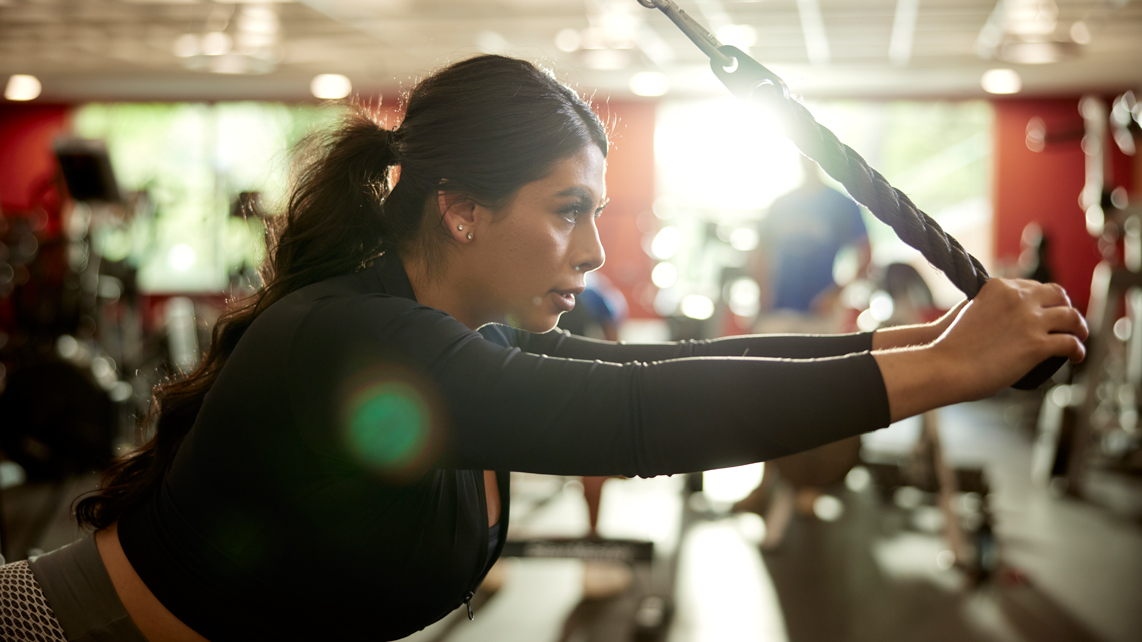
Exercise Science
On Campus
Bachelor of Science
Exercise Science
Passionate about health and fitness? Want to turn your love for exercise into a career? Look no further than Life University’s Bachelor of Science in Exercise Science program! Our program prepares graduates for a range of careers in the field, from cardiac and pulmonary rehabilitation to corporate fitness and community-based wellness programs.
With a focus on anatomy, biology, biochemistry, physiology and kinesiology, students gain the knowledge and technical skills necessary to work with a range of populations, including athletes and community members.
Our students gain hands-on experience and internship opportunities across the greater Marietta/Atlanta area. From collaborating with experts in professional sports, chiropractic care, and clinical environments to networking with industry leaders, our graduates enter the professional world fully prepared to succeed.
Program at a Glance
Degree
Bachelor of Science in Exercise Science
Format
On Campus
Completion Time
Varies by student
Program requirements, course availability and completion time may vary based on transfer credits, course load and individual academic progress.
Learning Objectives
What You’ll Learn
Life University’s students in this program receive the highest-quality education and technical instruction in the disciplines of anatomy, biology, biochemistry, physiology and kinesiology, and they apply this knowledge to a range of populations.
Program Design
Life University offers leading-edge, vital health science degrees in a dynamic community that empowers and inspires individuals to discover and design lives of success and significance. And since Life University’s program graduates play diverse and pivotal roles in the field of sports medicine and performance, a Life University degree gives students an edge over the competition.
What You’ll Learn
- Learn to work with the body as an innately intelligent organism.
- Variety of internship/externship or practicum settings, including cardiac rehabilitation and adult fitness programs offered by hospitals, corporations and community organizations.
- Anatomy, biology, biochemistry, physiology and kinesiology
- Sports medicine and performance
- Optimal athletic performance
While traditional exercise and sport science focuses on diagnosing and treating chronic conditions and injury related to athletic activity, Life University takes it to the next level by helping individuals achieve optimal athletic performance.


Career Paths
Exercise Science Career Paths
An exercise science degree can support careers in fitness management, corporate wellness, sales, strength and conditioning and sports training. It can also provide preparation for graduate study and credentialed health and performance professions.
Workers with recreation and fitness degrees earn a median annual wage of $59,000 , and 36% hold an advanced degree. About 52% work in occupations that typically require at least a bachelor’s degree.
$59K
Median annual wage among workers with a recreation and fitness degree.
36%
Hold an advanced degree.
976K+
Workers with recreation and fitness degrees are employed across the U.S. workforce.
Fitness Center Manager
- Plan, direct and coordinate fitness-facility activities, operations, staff and programs.
- $77,180 median annual wage ; about 5,500 projected openings per year
- Entertainment and recreation manager employment is projected to grow 8% from 2024 to 2034. Requirements vary; some positions require a bachelor’s degree, and related work experience is important.
Corporate Fitness Officer
- Develop or coordinate employee fitness and wellness activities in workplace settings.
- $46,180 median annual wage for fitness trainers and instructors
- Fitness trainer and instructor employment is projected to grow 12% from 2024 to 2034, with about 74,200 openings per year. Employers may prefer a related degree and certification.
Food Company Salesperson
- Represent food manufacturers or wholesalers, build customer relationships and explain products to organizational buyers.
- $66,780 median annual wage for wholesale and manufacturing sales representatives selling nontechnical products ; about 142,100 projected openings per year across wholesale and manufacturing sales
- Overall employment is projected to grow 1% from 2024 to 2034. Educational requirements vary with the products sold.
Strength & Conditioning Specialist
- Design and lead exercise programs that develop strength, conditioning and performance.
- $46,180 median annual wage for fitness trainers and instructors
- Employment is projected to grow 12% from 2024 to 2034, with about 74,200 openings per year. Employers often prefer certification and may prefer a related degree.
Sports Trainer
- Support athletic preparation, conditioning and performance in sports settings.
- $60,250 median annual wage for athletic trainers
- Athletic trainer employment is projected to grow 11% from 2024 to 2034. Entry typically requires a master’s degree, and nearly all states require licensure or certification.
Career titles represent potential pathways associated with exercise science education. Wage and employment data are national estimates from the U.S. Bureau of Labor Statistics and U.S. Census Bureau and do not guarantee individual employment or earnings.
FAQs
Your Questions, Answered.
Choosing the right program is a big decision, and we’re here to help you every step of the way. Below are answers to some of the most common questions prospective students ask about the Exercise Science program.
If you have additional questions, our admissions team is ready to connect and provide personalized guidance as you explore your next step.
An exercise science degree can prepare graduates for careers in fitness management, strength and conditioning, corporate wellness, sports performance and community health programs. Graduates may also pursue advanced education in fields such as athletic training, physical therapy, exercise physiology and other health-related professions.
Exercise science focuses on how physical activity and exercise affect the human body, including fitness, performance and overall health. Kinesiology is the broader study of human movement, including biomechanics, anatomy and motor function. Life University’s Exercise Science program incorporates both areas to help students understand human movement and improve physical performance.
Yes. Life University emphasizes practical learning through hands-on experience and internship opportunities across the greater Marietta/Atlanta area. Students collaborate with experts in professional sports, chiropractic care, and clinical environments while networking with industry leaders.
An exercise science degree can provide a foundation for students interested in becoming physical therapists. However, becoming a licensed physical therapist requires additional education through an accredited Doctor of Physical Therapy (DPT) program and meeting state licensure requirements. Students should review DPT prerequisites when planning their undergraduate coursework.
Yes. Eligible students can pursue Life University’s accelerated pathway, which allows them to earn a Bachelor of Science in Exercise Science and a Master of Science in Sport Health Science in as little as four years. This pathway provides an opportunity to advance their education while preparing for careers in sports performance, health and wellness.
Yes. Life University is institutionally accredited by the Southern Association of Colleges and Schools Commission on Colleges (SACSCOC) to award bachelor’s degrees, including the Bachelor of Science in Exercise Science. This accreditation reflects the University’s commitment to maintaining recognized standards of academic quality and student learning.
Visit Life University
Visiting our campus is the best way to picture your future here. Tour our facilities, meet current students and discover how Life U supports your goals in and out of the classroom. Let us show you what Life U is all about.