
M.S. Applied Neuroscience
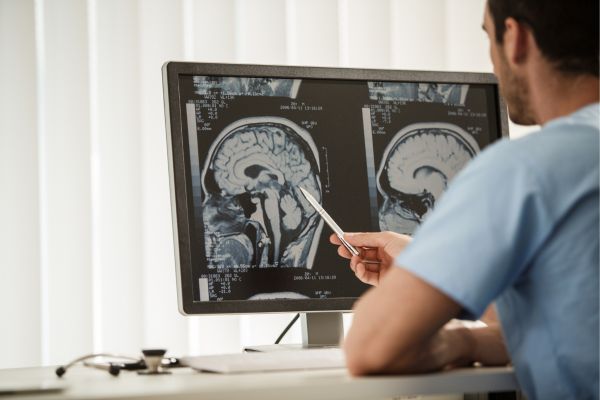
M.S. in Applied Neuroscience
ABOUT Applied Neuroscience
Apply Neuroscience to Human Health, Performance and Recovery
Life University’s Master of Science (M.S.) in Applied Neuroscience prepares students to understand the science of the nervous system and translate that knowledge into real-world applications. Through an interdisciplinary curriculum that combines foundational neuroscience, assessment, research and neurorehabilitation, students develop the skills to evaluate scientific evidence, contribute to clinically relevant research and apply neuroscience principles to improve human function and well-being.
Designed for working professionals and recent graduates alike, the program is delivered primarily online and combines academic rigor with practical application, helping students advance their expertise in one of today’s most rapidly evolving fields.
Program at a Glance
Degree
Master of Science (M.S.) in Applied Neuroscience
Format
Online*
Total Credits
54 Quarter Credit Hours
Completion Time
6 Quarters
Concentration
Applied Clinical Neuroscience
Capstone
7 Credit Hours
*Primarily online with two required two-day in-person residencies. Program requirements, course availability and completion time may vary based on course load and individual academic progress.
Learning Objectives
Courses That Translate Neuroscience Into Real-World Impact
Life University’s M.S. in Applied Neuroscience is a 54-quarter-credit program consisting of core coursework, seminars, Applied Clinical Neuroscience concentration courses, electives and a capstone experience.
Students develop advanced knowledge of nervous system function while learning to evaluate research, conduct assessments, analyze data and translate scientific findings into practical applications.
Core Applied Neuroscience Curriculum
The core curriculum builds advanced knowledge in neural structure and function, cellular and molecular neuroscience, research methodology, neuroscience assessment, research ethics and science communication.
Core Courses Include:
- Neuroanatomy and Systems Neuroscience
- Research Methods
- Cellular and Molecular Neuroscience
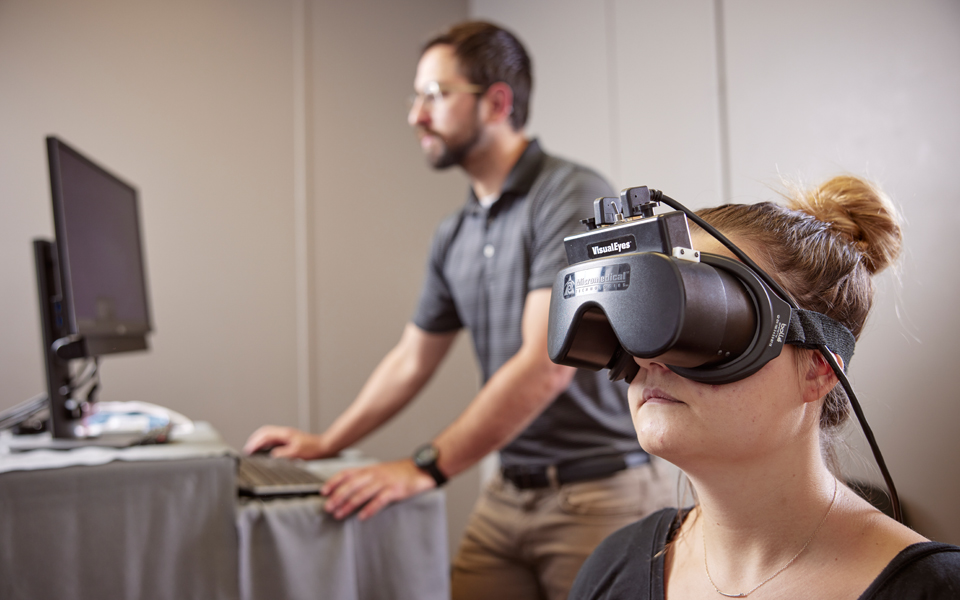
- Assessment Techniques in Applied Neuroscience and Cognition
- Research Ethics and Communication
- Dissemination and Implementation Science
Life University’s M.S. in Applied Neuroscience is distinguished by its integration of foundational neuroscience, clinically relevant research, assessment methodology and translational approaches that connect scientific evidence with human health, performance, recovery and neurological function.also provide a foundation for continued education in fields such as exercise science, kinesiology, athletic training and related disciplines.
Career Opportunities
Apply Neuroscience Across Growing Fields.
Neuroscience is increasingly influencing health care, rehabilitation, human performance, research, education and emerging technologies.
According to the U.S. Bureau of Labor Statistics, employment of medical scientists is projected to grow 13% from 2025-2035, faster than the average for all occupations, with a median annual wage of $103,410. Many neuroscience-related careers are connected to research, health sciences and clinical investigation fields that continue to expand as demand grows for evidence-based approaches to human health and performance. [bls.gov]
Graduates of Life University’s M.S. in Applied Neuroscience may pursue opportunities in areas such as:
- Neuroscience Research
- Clinical and Translational Research
- Human Performance and Rehabilitation
- Health and Wellness Organizations
- Integrative Health Settings
- Research Program Coordination
- Academic and Industry Research
- Scientific and Research Communications
- Neurotechnology and Cognitive Performance Fields
The program may also provide strong preparation for doctoral study and other advanced professional education pathways.
Career titles represent potential pathways associated with Applied Neuroscience education. Wage and employment data are national estimates from the U.S. Bureau of Labor Statistics and U.S. Census Bureau and do not guarantee individual employment or earnings.
Why Choose Life University’s M.S. in Applied Neuroscience?

Flexible
Primarily online delivery allows students to advance their education while balancing professional and personal responsibilities. Two brief on-campus residency experiences provide opportunities for hands-on learning, collaboration and professional networking.

Evidence-Based
Engage with contemporary neuroscience research and develop the skills to critically evaluate scientific literature, collect and interpret data and apply evidence-informed approaches across a variety of professional settings.

Impactful
Gain the knowledge and practical tools to contribute to advancements in human health, rehabilitation, performance and neuroscience research while preparing for future academic and professional opportunities.
Ready to Take the Next Step?
Life University’s M.S. in Applied Neuroscience prepares students to explore the complexities of the nervous system and apply neuroscience knowledge in meaningful ways. Whether your goal is to advance your career, contribute to research, improve human performance or pursue professional or doctoral study, this program provides a strong foundation for the future.